抗生素英文怎么说?Antibiotic 剂量、疗程、副作用与漏服实用句
很多中文读者搜索“抗生素英文”,并不是只想知道 antibiotic 这个单词怎么拼,而是想在真实场景里把药问清楚:一次吃多少?一天吃几次?要吃几天?能不能空腹吃?如果忘了吃怎么办?有没有常见副作用?这些问题如果问不清,轻则心里没底,重则可能影响用药效果。
这篇文章会用中文为主,配上能直接开口的英文句型,帮助你在药房、诊所或拿药时更准确地沟通。无论你是刚到英语环境生活,还是想补强药房英语,都可以把本文当成一份随身参考。想看更多生活场景表达,也可以先浏览WestlifeCC 首页、加拿大新生活实用指南和英语实用表达栏目。
一、先记住:抗生素英文不只一个词,药房最常见的是这些
最核心的词当然是 antibiotic,意思是“抗生素”。如果是复数,就说 antibiotics。但在药房里,真正决定你能不能听懂的,往往不是 antibiotic 本身,而是围绕它的一组高频词。
- antibiotic:抗生素
- dose:一次剂量
- dosage:剂量安排、剂量说明
- frequency:服用频率
- course:疗程
- side effects:副作用
- missed dose:漏服的一次药
- take with food:随餐服用
- take on an empty stomach:空腹服用
- finish the full course:完成整个疗程
你可以先记住一个最实用的总问法:I want to make sure I understand how to take this antibiotic correctly. 这句话的意思是:“我想确认自己完全明白这个抗生素该怎么正确服用。” 这是一句很安全、很自然的开场白,药师通常会立刻开始解释重点。
二、在药房先确认的 6 个核心问题
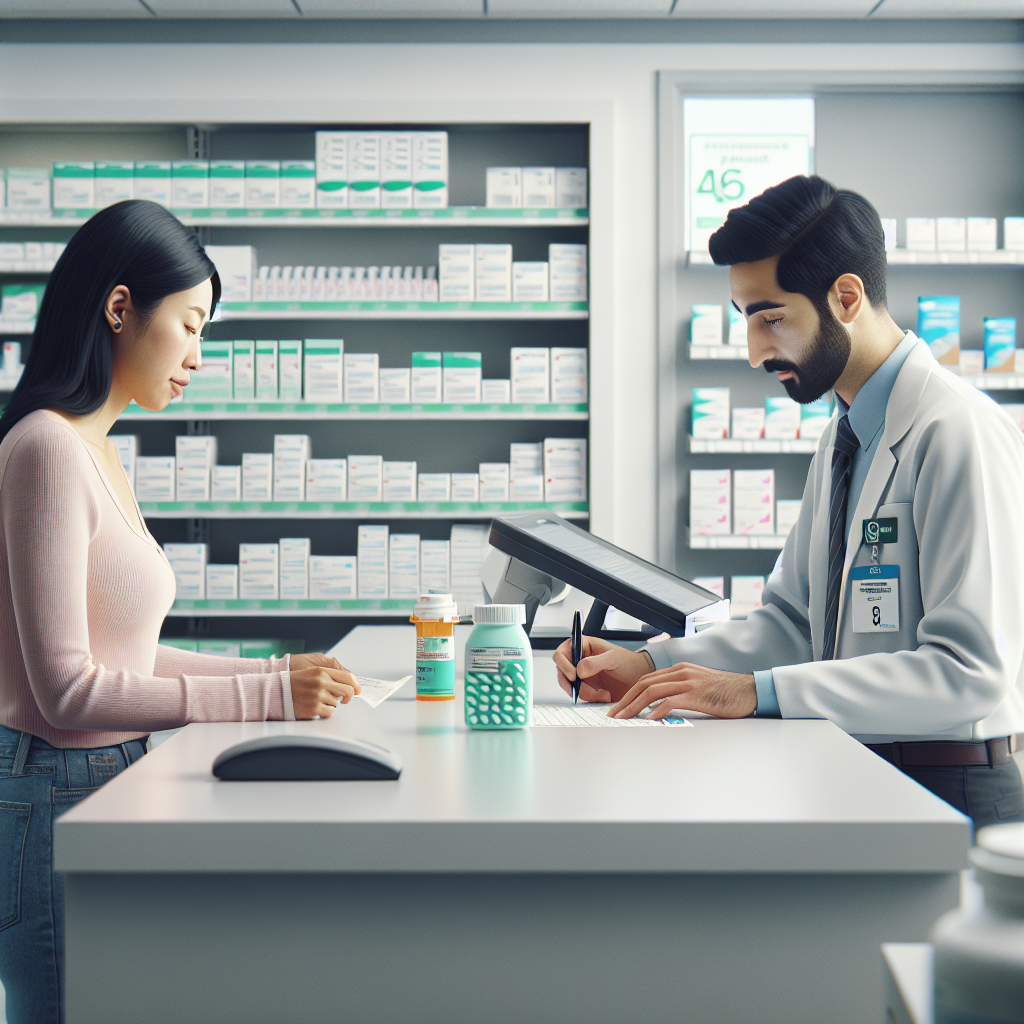
拿到抗生素后,不要只看药名。最实用的做法,是按顺序确认下面 6 件事:药名、一次剂量、服用频率、疗程长度、与食物关系、漏服处理。你可以把这 6 项当成固定检查表。
- 这是什么药?
What is the name of this antibiotic?
Could you say the name slowly, please? - 一次吃多少?
How much should I take each time?
What is the dose? - 一天吃几次?
How often should I take it?
Do I take it once, twice, or three times a day? - 总共吃几天?
How many days should I take it for?
How long is the course? - 要不要跟食物一起吃?
Should I take it with food or on an empty stomach? - 如果漏服怎么办?
What should I do if I miss a dose?
如果你英文基础一般,不需要追求复杂表达。把上面 6 句背下来,已经足够应付大多数药房场景。关键不是说得多高级,而是把信息问完整。
三、确认剂量 dose / dosage:最容易听错,也最需要复述
在“抗生素英文”场景里,dose 和 dosage 经常一起出现。简单理解:
- dose 更像“一次吃多少”
- dosage 更像“整体剂量安排”
例如药师可能会说:
- Take one tablet twice a day.(每次一片,一天两次。)
- Take 5 milliliters every 8 hours.(每 8 小时服用 5 毫升。)
- Your dosage is 500 milligrams, three times a day.(你的剂量安排是 500 毫克,一天三次。)
你在柜台最该做的,不是点头,而是复述确认。可以直接说:
- So I take one tablet twice a day, correct?
- Just to confirm, 5 milliliters every 8 hours?
- Let me repeat that: 500 milligrams, three times a day.
为什么复述很重要?因为药房环境有时嘈杂,药名和数字又容易混。尤其是 fifteen 和 fifty、twice 和 three times,一旦听错,后果可能很麻烦。你甚至可以直接要求写下来:Could you write that down for me?
如果你是给孩子拿药,液体药更要问清楚量具:Should I use a spoon, a syringe, or a measuring cup? 因为家用汤匙并不等于标准剂量。类似这种家庭沟通场景,如果你也常需要处理学校和家庭英文事务,可以参考家长请假条英文怎么写?school absence note english for parents 实用模板与句型。
四、确认服用频率:once a day、twice a day、every 8 hours 不一样
很多人以为“一天两次”和“每 12 小时一次”完全一样,但在实际执行上,药师有时会特别强调时间间隔。你要学会听懂这些说法:
- once a day:一天一次
- twice a day:一天两次
- three times a day:一天三次
- every 6 hours:每 6 小时一次
- every 8 hours:每 8 小时一次
- every 12 hours:每 12 小时一次
你可以这样问:
- Do I need to take it at evenly spaced times?(我需要间隔均匀地服用吗?)
- Is it okay if I take it in the morning and evening?(早晚吃可以吗?)
- What time schedule do you recommend?(你建议什么时间安排?)
如果药师说:Take it every 8 hours,你不要自己随意理解成“早餐、午餐、晚餐后”。更稳妥的问法是:Could you give me an example schedule? 药师可能会回答:For example, 6 a.m., 2 p.m., and 10 p.m.
这类“把抽象说明变成具体时间表”的能力,在很多新生活场景都很重要。你平时如果也在适应英语环境中的流程沟通,可以看看租房验房英文清单:rental inspection english checklist 实用步骤、对话与记录模板,训练同样的确认思路。
五、确认疗程:最关键的一句是 finish the full course
很多抗生素最重要的提醒之一,就是不要因为症状好转就自己停药。所以你一定要听懂这句:Finish the full course of antibiotics. 意思是“把整个抗生素疗程吃完”。
你可以主动问:
- How long should I take this antibiotic?
- Do I need to finish all of it even if I feel better?
- Should I stop only if my doctor tells me to?
常见回答可能是:
- Take it for 7 days.(服用 7 天。)
- Yes, finish all the medication unless your doctor tells you to stop.(是的,除非医生让你停,否则要全部吃完。)
这里有一个实用动作:拿到药后,立刻把“最后一天”写进手机日历。比如今天是 5 月 2 日,疗程 7 天,你就把结束日期和每天提醒都设好。英文上你也可以确认:So my last day will be next Thursday, right?
六、确认与食物、牛奶、酒精和其他药物的关系
“能不能饭前吃”是中文读者最常问的问题之一。药房里最常见的表达有:
- Take with food. 随餐或饭后服用
- Take after meals. 饭后服用
- Take on an empty stomach. 空腹服用
- Avoid alcohol. 避免饮酒
- Do not take it with dairy products. 不要和乳制品同服
你可以直接问:
- Should I take this with food?
- Can I take it with milk?
- Is it okay to drink alcohol while taking this?
- Can I take it with my other medications?
如果你本来就在吃别的药,最好把药名或药盒一起带去问。英文可以说:I’m also taking these medications. Are there any interactions? 这里的 interactions 就是“药物相互作用”。
如果你听不懂药师的长解释,可以立刻缩小问题:So the main point is: with food or without food? 先抓最关键的信息,再补问细节。
七、确认副作用 side effects:先问常见,再问何时需要就医
副作用不是越多越好,而是要问“常见的是什么”和“什么情况需要马上处理”。这两类信息最实用。
你可以这样问:
- What are the common side effects of this antibiotic?
- What side effects should I watch for?
- When should I call a doctor?
- What symptoms mean I should stop taking it and get help?
药师常见的回答可能包括:
- It may cause nausea, diarrhea, or stomach upset.(可能引起恶心、腹泻或胃部不适。)
- If you develop a rash, trouble breathing, or severe diarrhea, seek medical attention.(如果出现皮疹、呼吸困难或严重腹泻,要尽快就医。)
这里要学会区分两个层次:
- 普通不适:例如轻微恶心、轻度胃不舒服,通常是“需要观察并按说明处理”的信息。
- 警示症状:例如严重过敏反应、呼吸困难、明显肿胀、严重腹泻等,这类要问清楚是否需要立即联系医生或急诊。
你可以进一步追问:Is mild diarrhea normal, or should I be concerned? 这种问法非常实用,因为很多人最担心的不是副作用本身,而是不知道“到什么程度算危险”。
八、漏服 missed dose:不要自己猜,直接问处理规则
“漏服怎么办”是抗生素英文里最值得提前学的一部分。因为很多人不是故意不吃,而是忙、睡过头、出门忘带,结果不知道该补吃还是跳过。
最核心问法是:
- What should I do if I miss a dose?
- If I forget one dose, should I take it as soon as I remember?
- Should I skip it if it’s almost time for the next dose?
- Should I ever double the dose?
药师常见说明可能是:
- Take it as soon as you remember, unless it is almost time for your next dose.
- Do not double the dose.
你要特别会听懂 unless it is almost time for your next dose 这句,意思是“除非已经快到下一次服药时间”。如果你还是不确定,可以把自己的情况说具体:
- I was supposed to take it at 8 a.m., but now it’s 1 p.m. What should I do?
- I missed last night’s dose. Should I take one now or wait until the next scheduled dose?
这种“带时间点提问”的方式,比只问“漏服怎么办”更容易得到明确答案。
九、药房柜台可直接套用的完整英文对话
你: Hi, I’m picking up my prescription.
药师: Sure. Here is your antibiotic.
你: Thank you. I want to make sure I understand how to take this antibiotic correctly.
药师: Of course.
你: What is the dose, and how often should I take it?
药师: Take one capsule three times a day for seven days.
你: So, one capsule three times a day for seven days, correct?
药师: That’s right.
你: Should I take it with food or on an empty stomach?
药师: Take it with food if it upsets your stomach.
你: Are there any common side effects I should watch for?
药师: You may have nausea or mild diarrhea.
你: What should I do if I miss a dose?
药师: Take it when you remember, unless it’s almost time for the next dose. Don’t double the dose.
你: Got it. Do I need to finish the full course even if I feel better?
药师: Yes, please finish the full course.
如果你担心自己临场紧张,可以只记住这 5 句骨架:
- I want to make sure I understand how to take this correctly.
- What is the dose?
- How often should I take it?
- What are the common side effects?
- What should I do if I miss a dose?
十、看懂药袋和标签:不是会说就够了,还要会读
很多重要信息其实已经写在标签上。常见英文包括:
- Take one tablet by mouth twice daily:口服,每次一片,每日两次
- For 7 days:共 7 天
- Take with food:随餐服用
- Shake well before use:使用前摇匀
- Refrigerate:冷藏保存
- Finish all medication:把药全部服完
如果你看不懂标签,可以直接把药袋递给药师说:Could you please go over the label with me? 这句非常自然,意思是“你能帮我把标签内容过一遍吗?”
你也可以逐项确认:
- Does “twice daily” mean morning and evening?
- Does this need to be refrigerated?
- How should I store this medication?
十一、最实用的安全做法:把英文问题变成固定清单
如果你希望每次拿抗生素都不慌,最好的方法不是临时想句子,而是固定使用同一套清单。下面这份可以直接保存到手机备忘录:
- What is this antibiotic for? 这个抗生素是治什么的?
- What is the dose? 一次剂量是多少?
- How often should I take it? 多久吃一次?
- How long should I take it for? 要吃几天?
- Should I take it with food? 要不要跟食物一起吃?
- What are the common side effects? 常见副作用是什么?
- What should I do if I miss a dose? 漏服怎么办?
- Do I need to finish the full course? 症状好了也要吃完整个疗程吗?
这 8 句已经覆盖大多数核心风险点。你不需要每次都全部问,但至少要问清剂量、频率、疗程和漏服处理。
十二、结语:学会“抗生素英文”,重点不是背单词,而是问对问题
总结一下,搜索“抗生素英文”时,真正有用的不是只知道 antibiotic,而是能在药房完成四个关键动作:确认剂量、确认疗程、确认副作用、确认漏服处理。只要你会用本文里的核心句型,再加上复述确认,已经能大幅降低沟通误差。
最后送你一句最万能的话:Just to confirm, could you explain how I should take this antibiotic? 只要你先把这句说出来,后面的沟通就会顺很多。
如果你正在适应英语环境中的各种生活沟通,建议继续阅读英语实用表达栏目,也可以从加拿大新生活实用指南延伸学习更多高频场景。把药房英语练熟之后,你会发现很多英文沟通的核心都一样:先问重点,再复述确认,最后把信息落实到可执行步骤。
药房买药英文主线
抗生素是药房专题之一;如果你需要先描述症状和问推荐药,请回到主线页。